
### Blog Post:
Electric screwdriver adoption has surged in 2024–2025 as homeowners and DIYers look for smarter, cordless power screwdriver solutions that put performance and ergonomics first. Choosing the right tool means understanding which features are must-haves—and which brands, models, and innovations actually solve real user pain points.
Key Takeaways
- The electric screwdriver market is booming, with groundbreaking advances in battery life, AI features, and ergonomic designs in 2024–2025.
- Make purchase decisions by comparing torque, runtime, weight, and charging systems—don’t just buy on brand or price.
- Brands like Bosch, Milwaukee, and Dewalt lead the way, but choosing the ‘best’ tool means matching your needs (home, DIY, pro) to the right electric screwdriver specs.
- Electric Screwdriver Market in 2024–2025: What’s New?
- Leading Brands and Price Ranges for Electric Screwdrivers
- Cordless Power Screwdriver Innovations: What’s Changed in 2024–2025?
- Buyer Pain Points: What Users Still Struggle With
- Critical Specs Checklist: What to Look for in 2024–2025 Electric Screwdrivers
- 2024–2025 Recommendations: Matching the Right Cordless Power Screwdriver to Your Needs
- Conclusion: Why It Pays to Buy Smart in the Rapidly Evolving Power Tool Market
- FAQ
Electric Screwdriver Market in 2024–2025: What’s New?
Demand for electric screwdrivers and cordless power screwdriver models has never been higher. The global electric screwdriver market was valued at roughly USD 5.7 billion in 2024, with 57 million units sold. This is set to rise to about USD 6.2 billion and around 62 million units in 2025, translating to an 8–9 percent compound annual growth rate through 2030.[1] Increased home improvement activity, online tool shopping, and a growing wave of DIYers have pushed manufacturers to offer smarter, lighter, and more durable electric screwdriver options. The household niche—driven mainly by cordless—already hit USD 1.8 billion in 2024 and should reach USD 2.8 billion by 2033.[5]
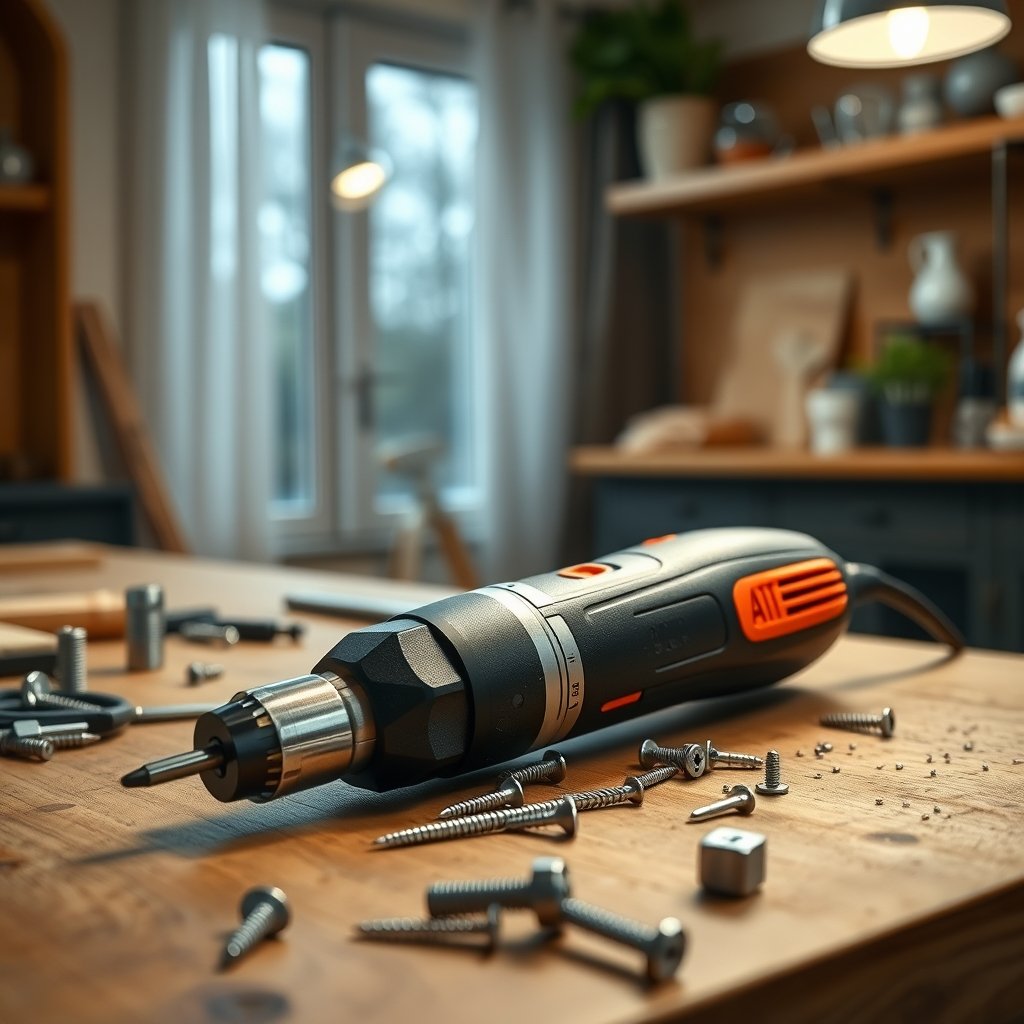
Leading Brands and Price Ranges for Electric Screwdrivers
The electric screwdriver landscape is led by industry giants: Stanley Black & Decker (DeWALT, Craftsman), Bosch, Makita, Milwaukee (Techtronic Industries), Ryobi/Positec, Hilti, Hitachi, Chervon, and up-and-comers like Ozito and Dixon Automatic.[2] Products cluster into three main price segments—budget models around $30 to $50, mainstream at $50 to $100, and premium from $100 to $200 (with some industrial-grade models running higher). Premium versions come with extras like app-based diagnostics, precision torque control, or longer-life brushless motors.
While high-end models can exceed $200, most DIY and household electric screwdriver needs are easily met in the sub-$100 range. Still, it’s no longer just about price: mid- and top-tier screwdrivers now compete on features such as battery capacity, weight, and digital feedback.
If you want to compare how large retailers are shaping the DIY tool landscape or where to get the best deals, see our in-depth look at Lowe’s and the Local Home Improvement Landscape.
Cordless Power Screwdriver Innovations: What’s Changed in 2024–2025?
2024–2025 has seen breakthroughs that redefine what a cordless power screwdriver can do. Bosch rolled out its first AI-enabled cordless screwdriver line in mid-2024, using advanced software to auto-adjust torque based on materials and screw type.[3] Milwaukee’s M12 FUEL Digital Screwdriver, launched in early 2025, features a live-torque display, vibration alerts, and mobile diagnostics through app connectivity—making troubleshooting and tuning simpler than ever.
Charging is now faster and safer with USB-C charging ports, quick-swap battery packs, and digital safety cutoffs. Ergonomically, most leading cordless power screwdrivers are lighter, have textured anti-slip grips, and employ advanced vibration-dampening tech to reduce hand fatigue. Some newer lines even offer smart memory settings for favorite torque/speed combos. These features reflect direct user feedback and address the pain points seen in online buyer reviews.
If you’re upgrading other tools around the home, see how emerging trends shape home technology in our guides on home EV charger installation or the WaterSense fixtures boom.
Buyer Pain Points: What Users Still Struggle With
Even with innovation, a few persistent issues frustrate electric screwdriver users. Research and real-world reviews consistently cite these three buyer pain points:
- Ergonomics: Too much weight, poorly balanced grips, and excessive vibration lead to hand and wrist strain, especially during extended use.
- Battery Performance: Users complain about short runtimes, batteries that fade fast under load, and chargers that take too long to top up.
- Torque Precision: Many models have limited or imprecise torque settings, causing stripped screws or poor results on delicate materials.
Device manufacturers, from Bosch to Ozito, are now integrating better weight distribution, soft-touch grips, and advanced battery management into their cordless power screwdriver lines.[8]
You can read more about ergonomic design and why professional users demand low-vibration, balanced tools in our recent coverage of universal design projects and home improvement wellness.
Critical Specs Checklist: What to Look for in 2024–2025 Electric Screwdrivers
Translate those pain points into a clear buying checklist. Here’s what any smart shopper should check when comparing a cordless power screwdriver:
- Weight: Look for models under 1.2 kg for all-day use and better control.
- Battery Type & Capacity: Go for brushless Li-ion between 18–20 V and 2–4 Ah. USB-C charging is now standard for convenience and safety.
- Torque Range: Home DIY tasks need as low as 2 Nm, but advanced/pro use cases may call for up to 20–30 Nm, with at least 10–12 digital settings.
- Speed: Variable speed controls in the 200–500 RPM range enhance accuracy and user comfort.
- Charging and Swappable Batteries: Quick-change batteries and fast-charge tech address runtime anxiety—don’t settle for less if you have high usage demands.
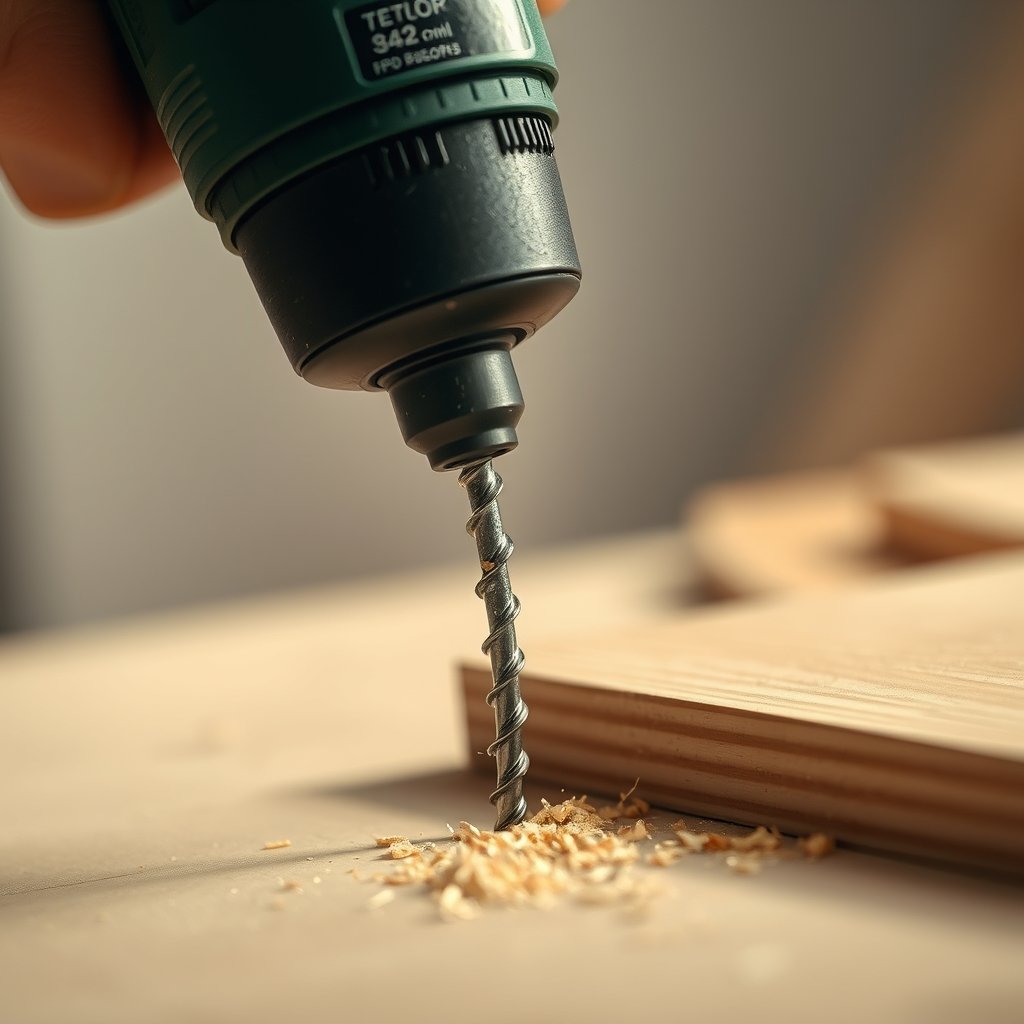
Pay attention to the accessory kits bundled, too. Many electric screwdriver models now include LED-lit work areas, magnetic bits, or case storage. These extras may seem minor but make a practical difference for DIYers or homeowners who value organization.
For streamlined, clutter-free DIY spaces, see our solutions in the Built-in coffee system buying guide.
2024–2025 Recommendations: Matching the Right Cordless Power Screwdriver to Your Needs
The “best” electric screwdriver really depends on what you do most often. Here’s how to match your needs to the right cordless power screwdriver tier:
| Use Case | Recommended Specs | Price Band | Brands/Models |
|---|---|---|---|
| Light DIY & Household | Up to 4 Ah, < 1.1 kg, 2–10 Nm torque, USB-C charging | $30–$70 | Ryobi, Bosch GO, DeWALT 8V MAX |
| Frequent DIYer | 2–4 Ah, brushless, 10–20 Nm torque, variable speed | $70–$120 | Makita, Milwaukee M12 FUEL |
| Professional/Heavy Use | 4 Ah, 20–30 Nm torque, digital display, battery telemetry | $120–$220+ | Bosch AI, Hilti, Milwaukee Digital |
The dedicated household electric screwdriver category—mostly cordless—is worth $1.8 billion as of 2024 and is forecast to hit $2.8 billion by 2033, or about 5 percent CAGR.[5] Remember, some premium features aren’t necessary unless you do frequent or high-precision work. If your tasks range from simple furniture assembly to complex renovation, pairing your main projects with the right electric screwdriver segment is the key to satisfaction and tool longevity.
Conclusion: Why It Pays to Buy Smart in the Rapidly Evolving Power Tool Market
Electric screwdriver designs are improving at record speed, but matching new features and specs with your needs is what delivers best-in-class results. Industry data shows the cordless power tools segment is expanding at 6–7 percent CAGR, and the top brands claim more than a quarter of global market share.[7] If you take the time to analyze torque, speed, ergonomics, and battery features, you’ll get more done—and spend less time wrestling with tool limitations.
Ready to upgrade your DIY game? Make your next electric screwdriver purchase with confidence and let cordless power screwdriver technology work for you—see the latest reviews and home improvement strategies in our full buyer’s library.
For further savings and product tips across all household tools and appliances, check out our actionable guides on Crate and Barrel: 7 Best Ways to Maximize Savings.
FAQ
Is a cordless power screwdriver better than a manual screwdriver for home users?
Yes. A cordless power screwdriver saves time, reduces fatigue, and offers more precision, especially for medium or large projects. Most users won’t go back to manual after experiencing the speed and ease of a good cordless model.
How long does a battery last in the latest electric screwdriver models?
Typical runtime on quality models is 1–2 hours continuous use, depending on load and torque setting. Fast-charging USB-C or quick-swap battery options now allow near-continuous work for most household and DIY jobs.
Can I use one electric screwdriver across different materials (wood, metal, plastic)?
Yes, as long as the device has adjustable torque settings and the right bits. Modern electric screwdrivers often auto-adjust or let you pick material-specific settings for better results and fewer stripped screws.
Are premium models worth the extra cost for occasional home users?
Not always. If you only do light or occasional work, budget or midrange models usually offer all the performance and comfort you need. Only step up to premium for heavy, regular, or specialized project needs.
What’s the best way to store and maintain a cordless power screwdriver?
Keep your tool in a dry place, charge batteries regularly, and use the provided case if available. Clean the bit holder and recharge batteries before long storage periods to maximize lifespan.