
Heat pump water heater upgrades are surging in 2024 as cost-conscious homeowners look for ways to slash bills and boost efficiency, but the reality is not all smooth sailing. If you’re curious about how these water heaters work, what the latest numbers say, and if the switch is worth the hassle, you’re in the right place. This guide cuts through hype to show you what to expect, how to avoid common headaches, and how to maximize energy savings—step by step.
Key Takeaways
- Heat pump water heaters use 2 to 5 times less energy than standard electric or gas models, helping reduce household energy bills dramatically.
- Installation challenges, upfront costs, and noise are common complaints—especially in cold climates.
- Market share is set to skyrocket by 2030 as new standards make old-style electric heaters obsolete.
- What Is a Heat Pump Water Heater and Why Consider One?
- Step-by-Step Guide: Making the Switch
- Advanced Analysis & Common Pitfalls
- Conclusion
- FAQ
What Is a Heat Pump Water Heater and Why Consider One?
A heat pump water heater (HPWH) is a highly efficient system that uses electricity to move heat from the air into the water tank, rather than generating heat directly. Instead of burning fuel or using electric resistance to create heat, it works a bit like a refrigerator in reverse—drawing warmth from the environment to heat your water. This approach can use two to five times less energy than conventional water heaters, which translates to substantial utility bill savings over time.
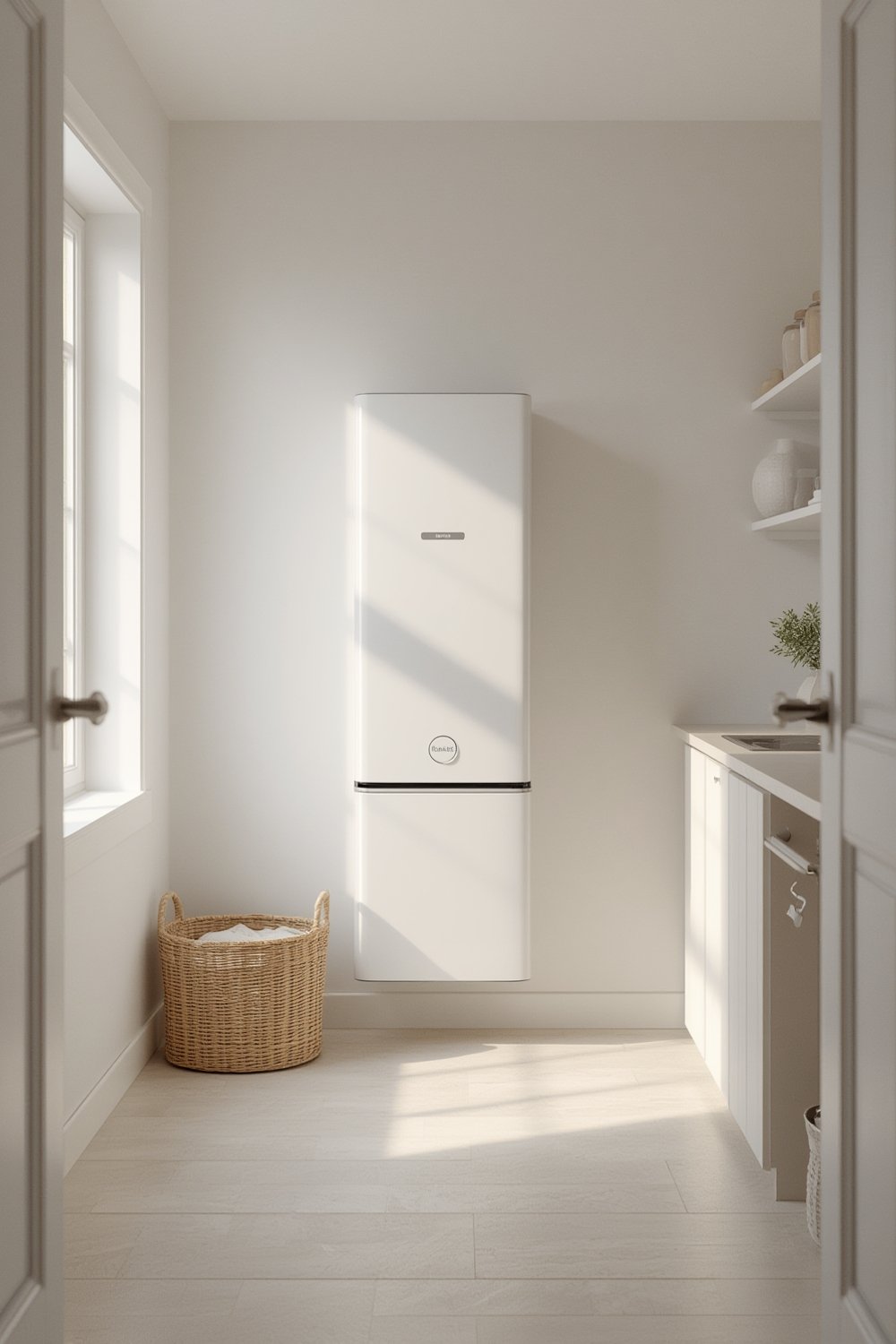
Recent 2024 research shows these units are gaining real momentum. Electric water heater sales (including HPWHs) topped 5 million units in 2024, up 3% from the year before. Heat pump types specifically hit a 35% growth rate, though they’re still just 2% of all water heaters sold nationwide. Industry leaders predict HPWHs will command up to 40% of the total water heater market by 2030, especially as upcoming regulations phase out older electric models above 35 gallons.
Not sure where to buy one or get the best deal on installation supplies? Local hardware stores often have knowledgeable staff ready to help. See how store choice and renovation trends intersect in our breakdown of Lowe’s and the Local Home Improvement Landscape.
Step-by-Step Guide: Making the Switch
Switching to a heat pump water heater takes more than picking a model off the shelf. Here’s a clear, actionable plan to get the best results (and avoid regrets later).
- Confirm Eligibility: Not all homes are well-suited. HPWHs need about 700-1,000 cubic feet of air space for efficient operation and best performance.
- Get Quotes: Find at least two installers certified for heat pump water heaters and ask for itemized bids—labor, parts, and electrical upgrades.
- Apply for Rebates: Check regional utility programs or federal incentives. While 2024 data on rebate amounts is limited, programs frequently cover $300 to $750 per unit.
- Choose Your Model: Opt for models with a usable hybrid or boost mode for cold days. If noise concerns you, check decibel ratings and user reviews.
- Prep the Site: Ensure there’s a floor drain (for condensate) and enough space for air to circulate. Remove clutter and, if upgrading, drain and disconnect the old tank.
- Install and Test: Have a pro handle the electrical and plumbing connections. Insist on commissioning tests—ensure hot water output matches your needs.
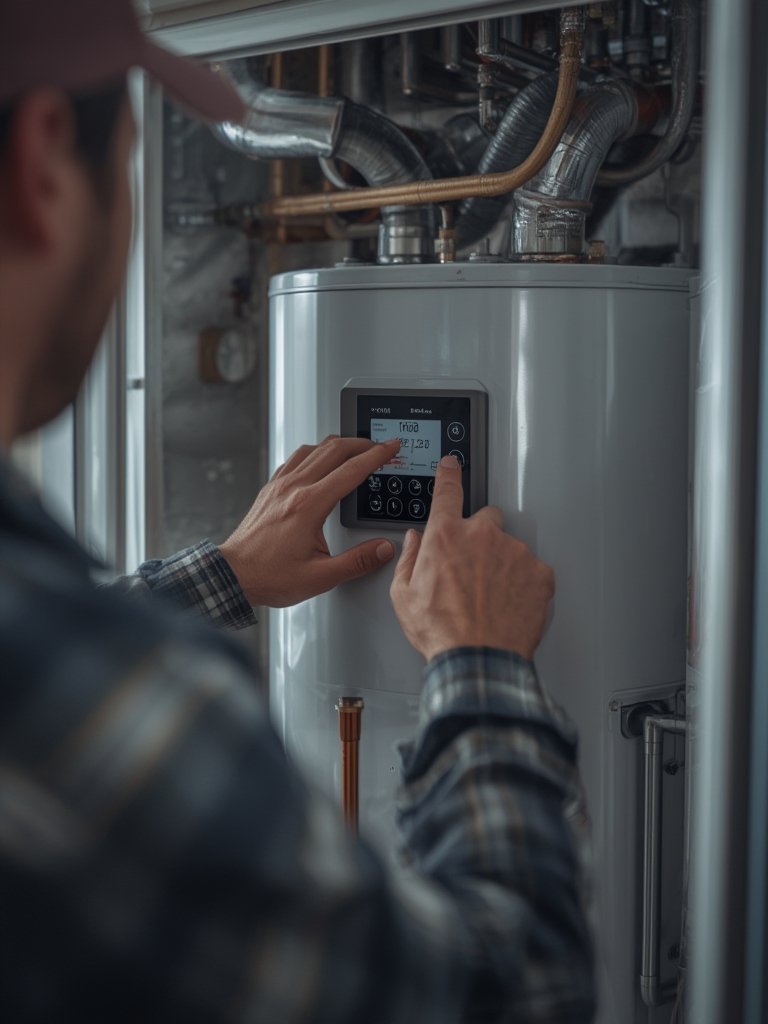
- Optimize Settings: Use smart controls, vacation mode, and schedule “high-demand” times around your family’s routine to maximize comfort and efficiency.
For additional water-saving upgrades, see our guide to WaterSense fixtures, which pair well with highly efficient hot water systems.
Want to know which brands and models are rated best for reliability and value? Current public reports lack 2025-specific rankings, so it’s crucial to check for updates from third-party testers or consumer advocates before you commit.
Advanced Analysis & Common Pitfalls
Making the switch to a heat pump water heater can bring impressive energy savings but also a variety of unintended headaches, especially if you live in a colder region or have limited installation options.
Real-World Problems and Pitfalls
- Installation Headaches: Ethnographic research shows space and cold-climate issues are top reasons people get frustrated or abandon upgrades. Basements without enough air, cramped mechanical rooms, and extra load on existing circuitry are leading causes of failed installs.
- Noise Issues: HPWHs run a compressor and fan—often louder than classic tanks—which may bother some users if installed near bedrooms or living areas.
- Slow Recovery Times: These units heat water more slowly, especially on cold days or in ‘heat pump only’ mode. Switching to “hybrid” or “electric boost” can speed things up, but reduces efficiency.
- Upfront Cost: Installation is more involved, and many regions lack enough qualified contractors. Homeowners report installation costs roughly double those of basic electric tanks, before rebates.
- Performance in Cold Climates: In regions with long, cold winters, HPWH efficiency drops and users report inconsistent output without backup boost mode.
HPWH vs. Tankless vs. Traditional: Comparison Table
| Feature | Heat Pump Water Heater | Electric/Gas Tank | Gas Tankless |
|---|---|---|---|
| Energy Use | 2-5X less than electric/gas | Standard to high | Low when used consistently |
| Upfront Cost | Higher (plus install/electric upgrades) | Lowest | High ($$ to $$$) |
| Noise | Noticeable compressor noise | Silent | Low |
| Space Needs | 700-1000 cu. ft. air | Less | Minimal |
| Recovery Speed | Slower unless on hybrid/boost | Moderate | Fast |
| Maintenance | Filter clean, check drain | Rare | Descale, venting |
While HPWHs are the future for efficiency standards, they may not be for everyone. Traditional tank and tankless models still have a market due to lower installation hurdles. Carefully balance your hot water volume needs, climate, and installation budget before making the switch.
For additional inspiration on efficiency plus real-world home upgrades, check our curbless shower installation guide—a smart move if you’re already revamping your water system.

Conclusion
A heat pump water heater can deliver major cuts in energy bills and carbon footprint, but only if it’s the right technical fit for your home and region. Installation is often more complex and expensive up front, but incentives and rising utility rates are tilting the equation in favor of heat pumps year by year. Before investing, address your home’s unique needs, ask hard questions about recovery rates and noise, and weigh professional feedback for peace of mind. Want more guidance on eco-friendly home upgrades? Browse our other practical guides for savings and smarter living.
Ready to make your move toward a heat pump water heater? Start by consulting with qualified installers and double check available rebates in your area before signing any contract.
FAQ
How much money can I really save with a heat pump water heater?
Most households see 50-70% lower water heating costs versus standard electric models, but actual savings depend heavily on local utility rates, climate, and how much hot water your household uses.
Is installation difficult or disruptive?
Installation is more involved than swapping a classic tank: requires extra space, careful site prep, and sometimes electrical upgrades. A well-prepared team can usually finish in a day, but delays can occur if your site isn’t ideal.
Are heat pump water heaters noisy?
HPWHs emit a humming noise similar to a window AC unit, which some people find distracting if the tank is installed near living or sleeping areas. If noise is a concern, locate it in a garage or basement if possible.
What ongoing maintenance do they need?
At a minimum, clean or replace the intake air filter every 3-6 months and check the condensate drain for clogs. No annual tank flushing is required unless your water is very hard. For more on efficient upgrades and maintenance, see our guide to low-flow faucet installation.
Why not just install a tankless gas heater instead?
Tankless gas heaters can be great for endless hot water with compact size but have their own challenges: venting requirements, high upfront cost, and often higher carbon impact unless paired with decarbonized electricity or offset programs. Compare with HPWH based on your home’s gas line and electrical setup.