
### Blog Post:
WaterSense fixtures are transforming how American homes save water and cut utility costs, but most homeowners don’t realize how much national impact these labeled products actually have—or the specific details required to choose the best option for their bathroom or kitchen.
Key Takeaways
- WaterSense fixtures help save thousands of gallons and hundreds of dollars per household each year, offering certified performance and efficiency.
- Installation is usually straightforward, but potential challenges include up-front cost and understanding rebate options.
- Not all states or regions offer the same rebates or incentives—research local programs before buying.
- What Are WaterSense Fixtures and Why Do They Matter?
- How to Upgrade: Step-by-Step Installation and Savings Guide
- Real Problems, Analysis and Pitfalls: The Details Nobody Talks About
- Conclusion: WaterSense Fixtures in 2024—Are They Right for You?
- Frequently Asked Questions
What Are WaterSense Fixtures and Why Do They Matter?
WaterSense fixtures are bathroom and kitchen plumbing products certified by the EPA to use at least 20% less water than standard federal requirements—without sacrificing performance. These labeled models include faucets, showerheads, toilets, and even point-of-use reverse osmosis (RO) systems designed to maximize water savings and efficiency.
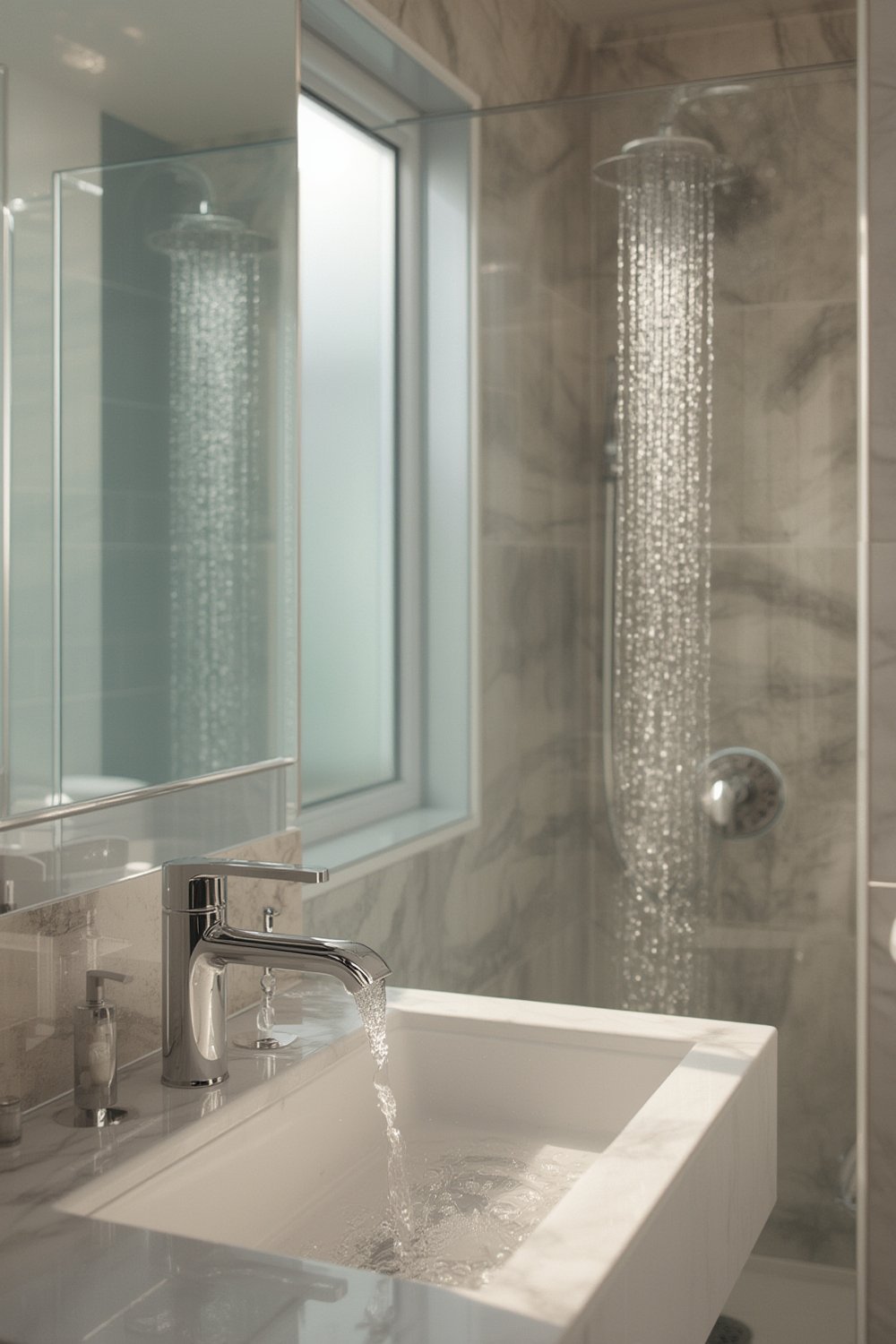
Nationwide, WaterSense-labeled products have already saved over 8.7 trillion gallons of water and $207 billion on water and energy bills since their introduction in 2006. In 2023 alone, partners achieved 1.2 trillion gallons of water savings (source).
Despite these successes, actual market adoption is a work in progress. As of 2024, about 16.8% of homes nationwide have WaterSense-labeled toilet tank-type toilets, 40.1% have approved bathroom sink faucets, and 45.4% have compliant showerheads (source). Local adoption can be higher: in California, for example, 22 to 25.9% of toilets meet the WaterSense standard.
It’s not just about saving water—these upgrades lower household costs. Installing a WaterSense-labeled toilet can reduce water use by 13,000 gallons and save about $130 per year. A new WaterSense showerhead saves an average of 2,700 gallons and $70 annually (source).
Not sure where to buy? Big-box retailers like Lowe’s and local hardware stores both offer WaterSense products; weigh your shopping options by reading our analysis of the local home improvement landscape.
How to Upgrade: Step-by-Step Installation and Savings Guide
- Decide Which Fixtures to Replace First. Target the highest-water-use areas: toilet, shower, then sink faucet. Bathrooms account for the majority of house water waste.
- Confirm the EPA WaterSense Label. Always look for the WaterSense logo on product packaging or specification sheets. For kitchen and bathroom faucets, check in particular if the maximum flow is 1.2 gallons per minute (gpm) or less. For showerheads, verify it’s 2.0 gpm or lower.
- Check Regional Rebates & Incentives. Before you buy, research rebate programs. In California, for example, Valley Water’s Fixture Replacement Program provides free WaterSense products for many properties (source). National chains, like Home Depot, may offer instant rebates or markdowns—over $50 million in discounts on WaterSense products were offered in 2023.
- Calculate Your Potential Savings. Use household water bills and projected savings (about $70-$130 per fixture per year) to estimate how quickly your investment will pay back. Some users recoup costs within 1-3 years, depending on utility rates and initial fixture price. For larger household upgrades, those numbers multiply.
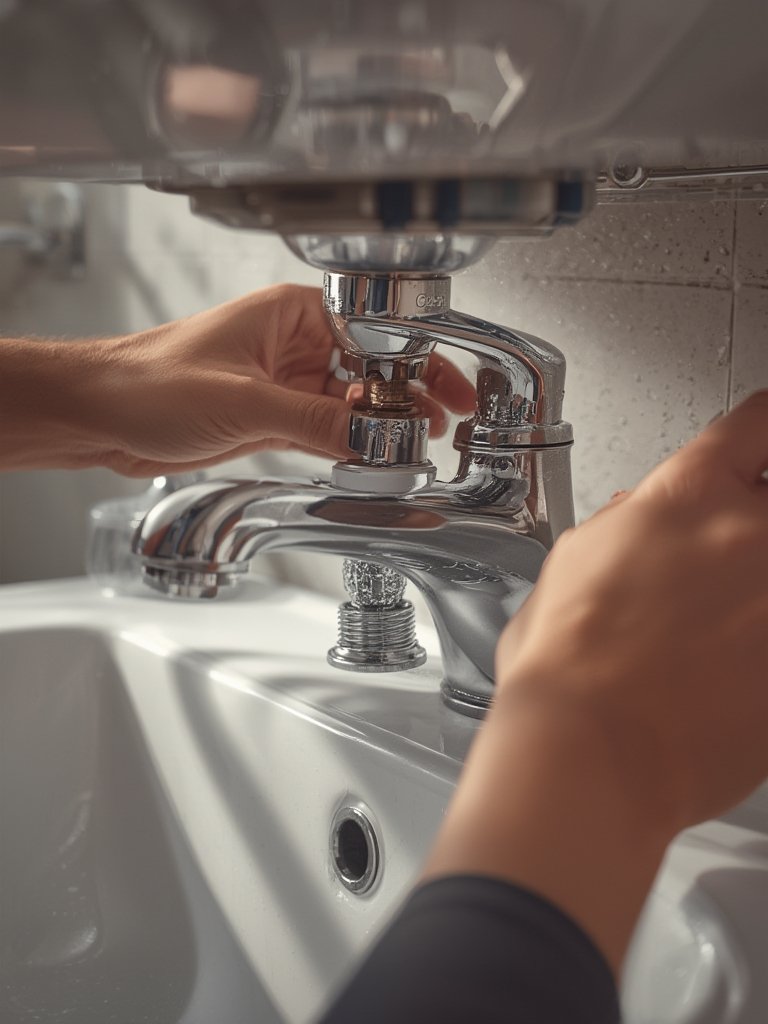
- Remove Old Fixtures Carefully. Shut off the water supply before unscrewing old faucets, showerheads, or toilets. Keep a towel nearby for splashes.
- Install WaterSense Fixture. Follow manufacturer instructions step by step. Most modern WaterSense faucets and showerheads are as easy to install as their standard-market counterparts.
- Test for Leaks. Once installed, turn the water back on slowly. Tighten any connections if minor leaks appear.
- Register or Claim Your Rebate. Keep your receipt and photographs of installed fixtures for rebate program submissions.
Want your bathroom update to do double-duty for style and accessibility? Consider pairing WaterSense fixtures with a curbless shower or other accessibility-minded renovations.
Installers looking to reduce family disruption might schedule fixture swaps while traveling—see these practical home organization and travel beauty tips for inspiration.
Real Problems, Analysis and Pitfalls: The Details Nobody Talks About
WaterSense fixtures are generally reliable and high-performing, but there are a few potential issues and challenges buyers should know about before diving in:
- Upfront Cost Concerns: While some rebates are generous, not all regions or water utilities provide them. WaterSense fixtures may cost more than basic plumbing products in big-box stores.
- Limited Data on Payback: EPA shares average savings, but specific payback periods depend on fixture price, installation cost, and your actual water rate.
- Installation Surprises: Most homeowners report easy installation, but lack of user reviews means it’s smart to expect at least one stuck connection or uneven wall fitting.
- Performance Expectations: While WaterSense fixtures pass performance and spray tests, a minority of users subjectively describe “weaker” reduced pressure or longer rinse times after installation—especially with showerheads. Most modern models, however, are engineered for satisfying flow that mimics higher-rate options. Clean aerators and use Teflon tape for best results.
- Rebate Restrictions: Some rebate programs only serve multifamily or commercial properties (like Valley Water) or focus on outdoor irrigation rather than bathrooms and kitchens. Always check eligibility rules before making a purchase.
- Gaps in Consumer Guidance: Many guides gloss over details like nuanced rebate eligibility, installation troubleshooting, or how to determine when to hire a pro versus going DIY.
| Fixture | WaterSense Standard | Federal Standard | Annual Savings | Potential Pitfall |
|---|---|---|---|---|
| Toilet | ≤1.28 gpf (gallons per flush) | 1.6 gpf | 13,000 gal / $130 | Subjective reports of clog risk if consistently overloaded |
| Showerhead | ≤2.0 gpm (gallons per minute) | 2.5 gpm | 2,700 gal / $70 | Some users notice reduced pressure |
| Bathroom Faucet | ≤1.2 gpm | 2.2 gpm | 1,500+ gal / $75 (est.) | Possible flow issues if debris blocks aerator |
| Point of Use RO System | ≥30% efficiency, ≤2.3 gal reject/treated | No federal | 3,100 gal / $50 | Initial cost may be higher; filter changes add upkeep |
Looking for real-world German kitchen inspiration? See our guide to authentic Kuchen and home baking—because every efficient home needs a cozy treat.
Conclusion: WaterSense Fixtures in 2024—Are They Right for You?
WaterSense fixtures produce real, measurable improvements in water savings for most households, especially when combined with regional rebates and utility incentives. While up-front costs may be higher than entry-level models, long-term performance and annual savings make these certified products an increasingly smart choice for environmentally conscious homeowners—or anyone hoping to lower monthly bills.
As you weigh your options, remember big-box retailers aren’t your only source. Discounted WaterSense-labeled products may be available locally, and in some regions, you can even find free replacement programs. Explore rebate eligibility, budget for installation, and consult trusted sources—then confidently choose your next upgrade.
Ready to reclaim water (and cash) in your home? Start with one WaterSense fixture replacement and experience the benefits firsthand.
Frequently Asked Questions
Which WaterSense fixture should I replace first for maximum savings?
Start with the fixture that uses the most water and is oldest. Toilets generally offer the greatest potential for savings, followed by showerheads and then faucets.
Are there any rebates available for WaterSense fixtures in my area?
Many regions, such as parts of California, offer rebates or free replacement programs for WaterSense-labeled fixtures. Check your water utility’s website and retailers like Home Depot for instant discounts.
Will a WaterSense fixture affect my water pressure or shower experience?
Most users notice little to no difference in performance. However, if your home already has low water pressure, you may want to clean supply lines and aerators before installation for best results.
How can I be sure a product is WaterSense certified?
Look for the WaterSense logo directly on the product packaging, the specification sheet, or verify the model on the EPA’s WaterSense product registry.
Can I install WaterSense fixtures myself?
Most homeowners can install WaterSense faucets, showerheads, and some toilets with standard DIY tools, but professional installation may be necessary for complex installs or if local plumbing codes require it.