
### Blog Post:
Built-in coffee system installations are transforming mid to high-end kitchens into café-quality beverage stations, but making the right purchase takes more than just liking a showroom display. This guide walks you through the real costs, technical and installation priorities, and the exact steps to avoid costly mistakes—so you’ll know whether a fully integrated solution is worth it for your home, routine, and renovation budget.
Key Takeaways
- Built-in coffee systems offer superior integration and aesthetics—but require upfront planning, dedicated installation, and regular maintenance compared to countertop machines.
- Total investment includes not just the unit and cabinet work, but also plumbing/electrical upgrades, annual maintenance, and service accessibility over the appliance’s lifespan.
- Reliable brands and robust post-purchase service matter just as much as brewing specs or smart features; always request live demos, detailed quotes, and verify warranty/service terms before committing.
- Why a Built-in Coffee System vs. Countertop Machine?
- Step-by-Step Guide: How to Plan & Purchase Your System
- Advanced Analysis & Common Pitfalls
- Conclusion
- FAQs
Why a Built-in Coffee System vs. Countertop Machine?
Choosing between a built-in coffee system and a high-end countertop espresso machine is about more than price or features. Built-ins deliver permanent, seamless integration into cabinetry, visual cohesion with luxury kitchen appliances, and hands-free drink convenience at the tap of a button. For daily coffee drinkers, these systems free up counter space, provide resale appeal, and offer genuine morning efficiency—no plugging, stowing, or cleaning of countertop gear.
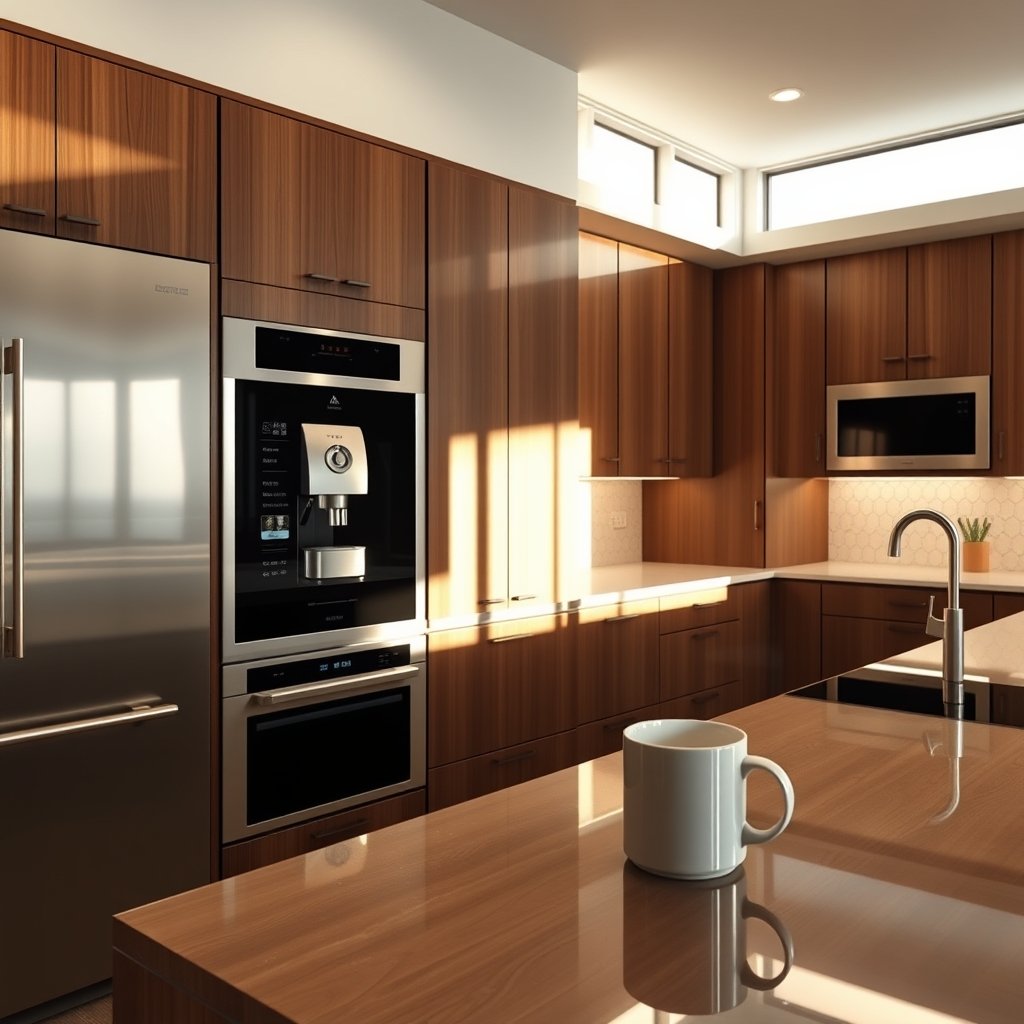
By 2025, the global built-in coffee machine market is estimated at USD 7.5 billion and projected to reach USD 14.1 billion by 2035 with a 6.5% CAGR. This surge reflects the shift toward integrated, high-end appliances over temporary gadgets. Still, countertop machines remain more flexible (moveable, easier replacement), ask little of your cabinetry, and enter at a much lower price point—appealing if you plan to relocate or renovate soon.
How to decide? Factor in your kitchen’s design—do you want an uninterrupted surface and appliance harmony?—the frequency and volume of your household’s coffee use, and how much you value potential home resale impact. Well-integrated, premium systems have a track record of attracting savvy buyers in real estate listings, especially in high-end renovations. For more on how kitchen changes impact value, see our curbless shower guide—the logic on permanence in home upgrades runs parallel.
Step-by-Step Guide: How to Plan & Purchase Your System
- Define your priorities: Daily coffee habits, preferred drinks, kitchen layout, and frequency of entertaining guests all shape your needs. Do you need true espresso, or is top-tier drip sufficient? Want multiple user profiles and automatic milk for lattes, or simple black coffee?
- Benchmark total cost—not just retail price: Factor in cabinetry alteration, electrical/plumbing, water filtration, and ongoing maintenance. Installation can be several times the unit cost alone. Research reports do not provide a standardized installed price; always get quotes from local appliance contractors and cabinetry specialists.
- Shortlist brands and request demos: Leading brands include JennAir (Whirlpool), Wolf (Sub Zero), Ariston, Miele, Thermador, Gaggenau, Bosch, Fulgor Milano, and De’Longhi. While fancy websites tout features, real-world differences come down to ease of cleaning, grinder quality, milk system reliability, and local service. Request an in-person or virtual demo before you commit.
- Assess installation feasibility: Measure space and review cabinet cutout diagrams carefully. Plan for ventilation, access panels, water and power sources, and coordinate with both your GC and kitchen designer. Unforeseen site limitations (like no underfloor access or crowded electrical panels) can add costs and headaches.
- Review warranty and service coverage: Coverage and response times vary wildly. Ask about in-home repairs, expected part replacement intervals, and what’s excluded in the warranty fine print. Do not assume luxury price means luxury service.
- Plan ongoing maintenance: Descaling, cleaning milk circuit, grinder care, and filter swaps are not optional. Some models offer auto-cleaning modes, but all need regular checks. Build annual maintenance and part-replacement into your budget.
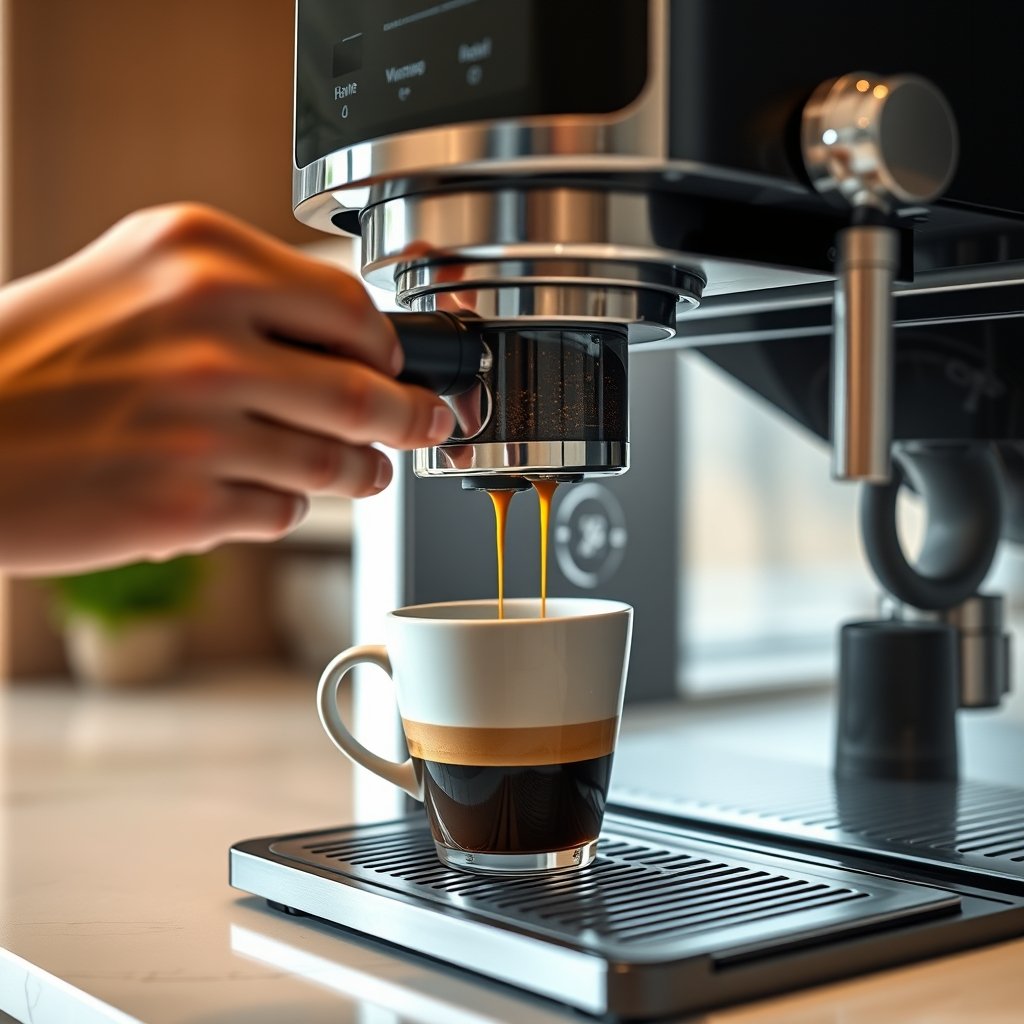
Don’t forget hidden expenses: water softener filters (needed for warranty in hard-water areas), custom cabinetry refinishing to match your system, or increased utility bills if your model has a standby heating element. If energy costs matter, refer to our energy-efficient water heater guide for benchmarking utility savings on appliances—coffee systems can similarly impact annual usage, especially if left on 24/7.
Finally, ensure your chosen system’s connectivity features actually integrate with your home’s ecosystem. While the smart coffee maker segment surged to USD 421.3M in 2023 and is projected to USD 1,771M by 2030 (CAGR 8.67%) [source], compatibility with Alexa, Google, or Home Connect still varies by brand.
Advanced Analysis & Common Pitfalls
Bigger investment, bigger risks. Here’s how common pitfalls catch homeowners off guard and strategies to avoid them, using recent market and homeowner data.
| Factor | Built-in Coffee System | High-End Countertop Espresso Machine |
|---|---|---|
| Initial cost (unit) | High Zoned for cabinetry; premium finish | Medium Moves with owner; no built-in |
| Installation | Custom cabinetry, electrical, plumbing. Hidden costs common | Plug and play; no modification needed |
| Total ownership cost (5-10 yrs) | High (filters, descaling, parts, possible cabinetry work for future servicing) | Moderate (consumables, occasional repairs; easier DIY) |
| Maintenance | Can be complex; auto-clean cycles help but do not remove need for grinder/milk system care | Simpler; easy access to internals for repairs/descaling |
| Reliability | Directly tied to install quality & service access; limited support network in some regions | Higher if top brands; portable, easier swap/repair |
| Resale Impact | Positive for luxury homes if correctly integrated | No effect; appliance moves with owner |
Homeowner complaints to vet: No consolidated dataset exists for negative experiences, so primary research is necessary. Frequent pain points include:
- Grinder or milk system failures—especially if inaccessible without full removal
- Excessive need for descaling and cleaning, even with auto-clean cycles
- Electronic/control board failures and slow support response
- Difficulty finding local technicians, especially in rural/suburban areas
- Noisy operation, inconsistent user profile memory, or unreliable app integration
Gather firsthand feedback from owner forums and ask for dealer references. Dealer interviews, in-person demos, and dedicated surveys remain your best path—much expert content focuses only on feature marketing, ignoring these lived realities.
The sub-1L built-in capacity holds 43.8% of market share, underscoring most homes won’t need a commercial-sized machine. In North America and Western Europe, less than 10% of households have adopted true built-in units—but penetration is rising as premium kitchen renovations become the new normal.
Technical factors are more nuanced than marketing admits. Prioritize these in your buyer checklist:
- Grinder type/burr quality (metal vs ceramic); capacity and quietness
- Bean hopper size vs your usage and refill tolerance
- Brew group access/serviceability—can it be removed by the homeowner?
- Water filtration and softener compatibility (crucial for warranty and taste, especially in hard-water areas)
- Boiler/heat-exchanger design for temp stability; is heat-up time <2 minutes?
- Milk frothing system: automatic (with cleaning cycles) or wand—level of cleaning required?
- Filters, descaling workflow, and waste drawer size
- Programmable drink profiles/multilingual UI
- Total dimensions, venting, cabinet cutout specs—double-check against your final kitchen drawings
- Smart app controls and their reliability (Home Connect, Alexa, Google, direct app—test at the showroom!)
If you’re working with an existing kitchen, double-check cabinet depth and height, vent path, and placement near drawers/doors that might obstruct maintenance access. For a deeper dive on appliance footprint, check our hardware and renovation landscape analysis.

3 Advanced Subtopics Every Guide Should Cover:
- Long-term serviceability and parts availability: How easy is it to replace key components—pumps, grinders, control boards—after warranty? Will you find spares in five years?
- Household plumbing and water hardness: Hard water destroys coffee systems and invalidates many warranties. Budget for filter or softener systems; ask to see actual install photos and inquire how scale issues have been handled for other clients.
- Cabinetry/service access and resale: Ask your contractor and realtor how much cabinetry integration adds to or subtracts from your home’s resale—especially for future owners who might want a different brand, size, or no system at all.
For more on service access and detailed appliance installation logistics, see our comparison of home EV charger installation challenges—the trade-offs are similar for permanent, technology-driven upgrades.
Conclusion
A built-in coffee system can streamline your daily routine and elevate your kitchen’s value, but the path from inspiration to successful installation is full of nuanced, often hidden decisions. Build your shortlist based on real-life demos, brand service reputation, measurable daily needs—not just website features. Don’t forget to incorporate all installation and lifetime costs as well as future serviceability and local warranty support.
The most satisfied buyers treat a built-in coffee system as a semi-permanent part of their home—valued not only for café-quality coffee but also for how seamlessly it functions year after year. Ready to see if a built-in is right for you? Start by booking a demo, requesting side-by-side serviceability comparisons, and getting line-item installation quotes from both appliance dealers and your cabinetry contractor. Your next cup could be both smarter and simpler—if you ask the right questions up front.
FAQs
How much does a built-in coffee system actually cost, installed?
No standardized data exists for fully installed costs due to variations in cabinetry, labor, region, and required electrical/plumbing upgrades. Expect unit prices from $2,500–$7,000, but total installed cost often exceeds $4,500–$10,000 after all work is included. Always request itemized quotes from contractors and appliance dealers.
Which brands offer the best reliability and in-home service?
Current top brands for built-in systems—such as Miele, Thermador, Wolf, Bosch, and Gaggenau—are known for design and features, but service/reliability often comes down to local dealer support. User feedback varies widely by region; always check the actual service contract and ask for local references before purchase.
Are built-in coffee systems compatible with smart home platforms?
Many new systems are compatible with Home Connect, Amazon Alexa, Google Home, or their own branded apps, but not all integrations are reliable. Always test app features in a demo before purchase—some work better than others depending on firmware and Wi-Fi strength.
What are the biggest maintenance hassles with built-in systems?
Milk system cleaning and descaling are the most frequent complaints. Even with automatic cleaning cycles, parts need eventual manual cleaning, and water hardness accelerates maintenance demands. Grinder issues or connected feature bugs are the other main pain points.
I’m renovating—should I wait until the new kitchen is complete before installing?
Best practice is to coordinate installation with other appliance and cabinetry work, not after. The earlier your contractor and designer know the specs and power/plumbing needs, the smoother (and less costly) your integration will be.