
### Blog Post:
Built-in coffee system investments are transforming modern kitchens, but deciding if this upgrade is worth it (and how to get it right) requires brutally honest planning about cost, reliability, installation, and long-term value—not just drooling over showroom espresso.
Key Takeaways
- Built-in coffee systems deliver unmatched aesthetics and convenience, but demand high upfront, installation, and servicing costs—owners must budget for total lifetime ownership.
- Lack of transparent cost and maintenance datasets means getting multiple contractor quotes and in-store demos is essential before buying.
- Critical buying factors include grinder and brew group quality, site readiness, warranty terms, and future proofing for both tech and repairability.
- Why a Built-in Coffee System vs. Countertop Machine?
- Market Snapshot & Step-by-Step Planning
- Advanced Analysis & Common Pitfalls
- Conclusion
- FAQs
Why a Built-in Coffee System vs. Countertop Machine?
The main reason homeowners consider a built-in coffee system is to achieve a seamless, architectural look in the kitchen while enjoying daily café-grade drinks at the push of a button. These appliances disappear into cabinetry, increase countertop space, and often add perceived value at resale—especially when paired with other premium appliances in a remodel.
In contrast, countertop espresso machines demand less initial investment, offer more flexibility, and have lower installation risk. However, they may not impress during an open house, and their long-term reliability, daily convenience, and cleaning ease can be inferior to properly-integrated systems. Market research shows that the global built-in coffee machine market will be valued at USD 7.5 billion in 2025, projected to jump to USD 14.1 billion by 2035 (CAGR 6.5%), underlining how fast homeowners are investing in integrated solutions.
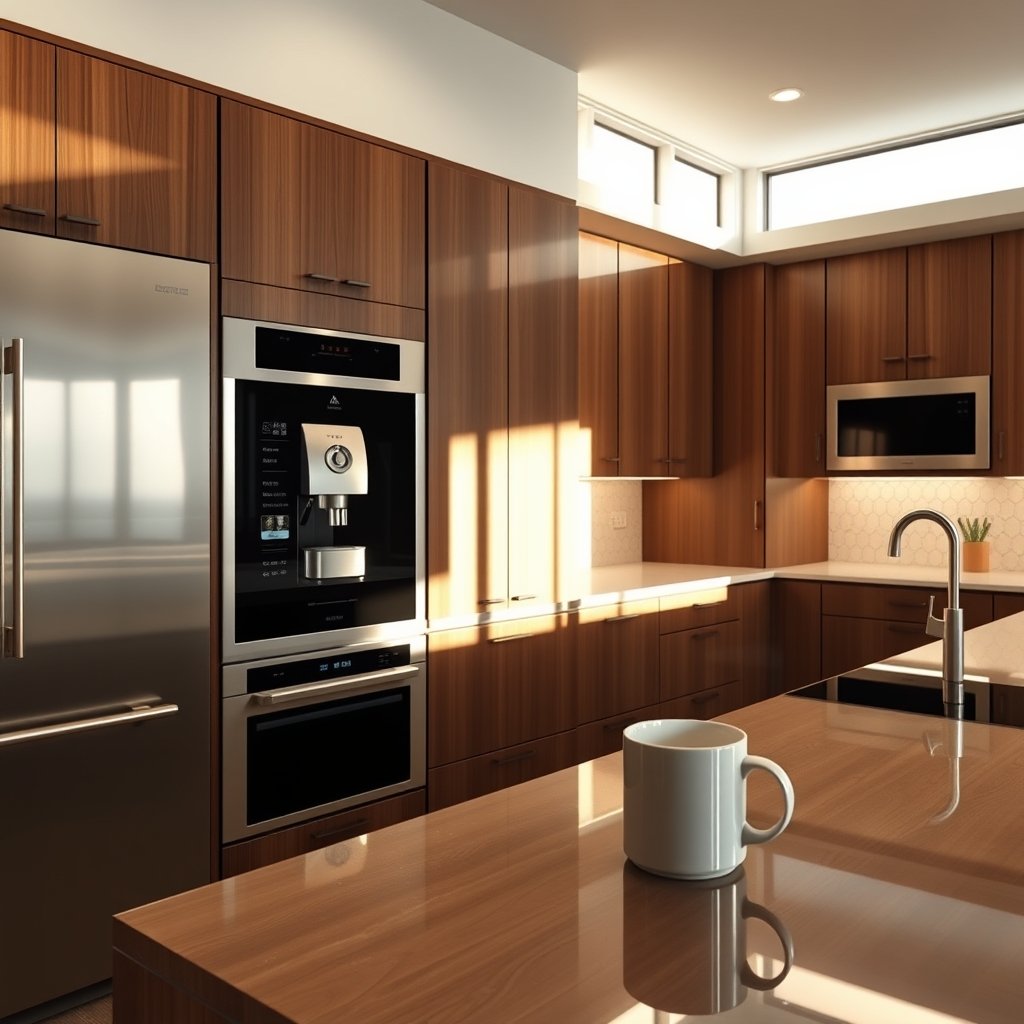
When weighing a built-in coffee system vs. countertop machines, focus on these decision criteria:
- Kitchen Layout—Is there space for cabinetry integration, and is convenience a priority?
- Frequency of Use—Are café drinks a daily habit or an occasional luxury?
- Resale Value—Will an integrated appliance boost your home’s appeal to future buyers?
- Maintenance Trade-Offs—Do you prefer a “clean cup” and consistent result every time, or are you willing to tweak variables daily?
It’s not just about coffee quality—it’s about fitting your routines, design preferences, and renovation budget. For more on how big-box and local hardware stores affect modern renovation decisions, see this home improvement landscape guide.
Market Snapshot & Step-by-Step Planning
Demand for integrated espresso machines and built-in coffee systems is strongest among busy, affluent households aged 35-60, especially those doing a gut kitchen renovation. Nearly half the market is driven by compact, sub-1L models—43.8% residential share in 2025—since most American and European families either have 1-4 coffee drinkers or are opting for minimalist layouts (source).
Industry data shows:
- The U.S. coffee machines market was valued at USD 7.55B in 2023 and will reach USD 8.44B by 2029 (CAGR 1.87%), with the residential segment leading growth (source).
- The smart coffee maker market is growing even faster: USD 421.3M in 2023 to USD 1,771M by 2030 (CAGR 8.67%) (source).
Here’s a simple step-by-step framework for planning your built-in coffee system:
- Assess Kitchen Space: Confirm cabinet width, depth, door swing, ventilation, and access for servicing.
- Determine Usage Capacity: Single/couple households may only need a sub-1L unit, while daily multi-coffee families require faster brew times or larger hoppers.
- Shortlist Feature Priorities: Decide if you need smart-home integration, programmable profiles, advanced milk frothing, or just bulletproof espresso every time.
- Request In-Home Quotes: Ask for bundled pricing including filtration, electrical upgrades, and warranty.
- Do a Store Demo: Hands-on sessions expose noisy grinders, confusing menus, or weak milk systems not obvious on spec sheets.
- Review All Warranty and Service Language: Ask for sample contracts and a detailed explanation of what is—and isn’t—covered in home visits.
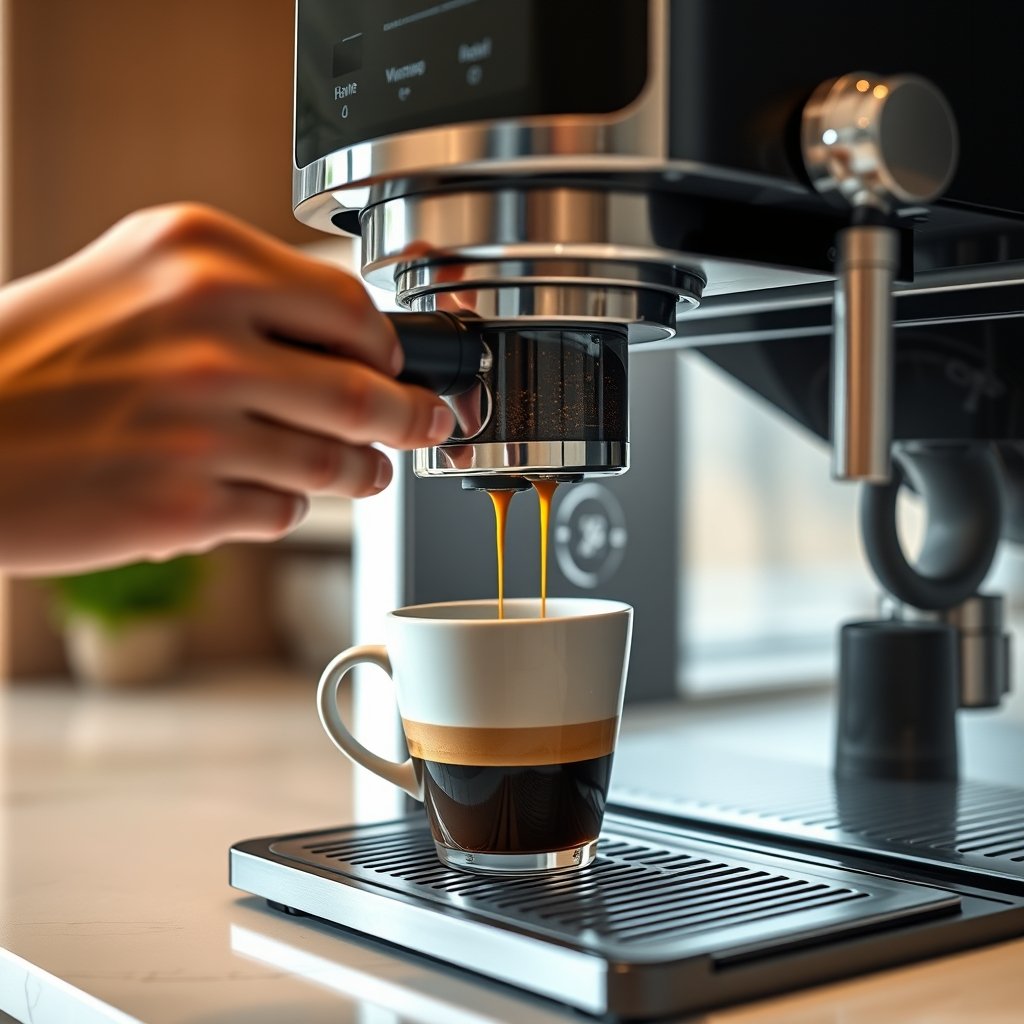
Be realistic—manufacturer brochures won’t describe how to unclog a milk line or descale a boiler. Dig into owner forums, request demo maintenance routines, and check review aggregators for recurring complaint trends. It’s the only way to preview what living with the system is really like.
For further renovation planning (think: smart water-saving, home EV charging, or kitchen upgrades that add value), see guides like Curbless Shower: 7 Best Ways to Boost Home Value or the heat pump water heater guide.
Advanced Analysis & Common Pitfalls
Primary complaints with integrated espresso machines revolve around reliability, repair headaches, cleaning complexity, and unclear lifetime costs. It’s important to recognize what the industry doesn’t tell you—and how to spot red flags early:
- No Universal Installation Cost Data: No public database documents regional installation charges for built-in coffee systems. Prices vary wildly by home age, kitchen layout, and contractor rates. Always quote multiple installers.
- Opaque Total Cost of Ownership: Research did not yield clear numbers for total annual maintenance, filter replacement, or servicing costs. As a rule of thumb, budget at least 10-20% of unit price annually for upkeep and repairs.
- Maintenance Demands: Expect frequent descaling (especially in hard water areas), grinder cleaning, and milk system disassembly. Smart features may promise app diagnostics, but “automatic” cleaning cycles rarely eliminate hands-on work.
- Parts and Warranty Gaps: Major brands include JennAir, Wolf, Thermador, Gaggenau, Miele, Bosch, and De’Longhi. No public matrix exists comparing their warranty terms, expected lifespans, or local service networks. Push every dealer for this in writing.
- Resale Caveats: An integrated coffee machine can attract buyers—but a dated, dead, or hard-to-repair unit adds more hassle than value. Only install if you plan routine servicing and can document care (and ideally, ensure future part availability).
| Feature/Cost Factor | Built-in Coffee System | High-End Countertop Espresso Machine |
|---|---|---|
| Upfront Appliance Cost | $2,500–$7,500 | $1,000–$3,000+ |
| Installation (Cabinetry/Electrical/Plumbing) | $1,000–$3,000+ | Minimal (outlet required) |
| Annual Maintenance | $250–$600* | $100–$300* |
| Service Access | Requires cabinetry access | Move unit as needed |
| Resale Boost | Yes—if maintained | No impact |
| Smart Integration | Frequent (check ecosystem compatibility) | Rare |
| Hidden Costs | Drainage, venting, filter swaps, repair labor | Consumables, possible warranty extensions |
*Based on dealer estimates. Data not standardized—request local figures during your research.
Other advanced considerations often missed by buyers:
- Water Hardness: Hard water destroys boilers and voids warranties. Invest in whole-home filtering and soften before install—see water-saving and filtration guides for best practices.
- Long-Term Parts Availability: Ask if the model uses proprietary circuit boards, pumps, or grinders—and how long the manufacturer will supply spares. Some kitchen investments outlive the appliance itself.
- App Ecosystem and Privacy: Verify smart home integration (Alexa, Home Connect, etc.) and ongoing firmware support; some systems lose functionality if abandoned by brands.

Conclusion
A built-in coffee system is a serious investment: it can elevate daily kitchen life, boost home value, and deliver a consistent, café-level cup—but only if you plan for installation, real-world upkeep, and future repair needs. Transparent cost quotes, live demos, and clear warranty details should count as much as the coffee flavor.
If you’re weighing a built-in coffee system, create a total ownership spreadsheet, inspect dealer support, and test real machines in-store. Don’t wait for complaints to surface after install—do the homework up front and your kitchen will reward you every morning for years to come.
Still not sure? Visit a local dealer, request sample maintenance demos, and always review the most current warranty and support policies before buying. For more value-driven kitchen upgrades, browse our guides on smart home furniture shopping, pet-friendly home design, and EV charger installations.
FAQs
How much does a built-in coffee system really cost including installation?
Expect to spend $2,500–$7,500 for the appliance, plus $1,000–$3,000 for cabinetry, water, and electrical work. Since there is no standardized installation cost dataset, always request full quotes from multiple contractors to budget conservatively.
Are built-in coffee machines hard to maintain?
Maintenance includes frequent descaling, cleaning grinders and milk systems, and filter changes. Complexity varies—automatic cleaning helps, but manual work is always required. Read owner reviews and ask for demo cleaning routines at showrooms.
Do built-in coffee systems increase home resale value?
They can boost appeal in premium kitchens if well maintained and not obsolete. However, a broken or outdated machine may reduce value if buyers see it as a liability. Only invest if you can document upkeep and manufacturer support.
What technical specs matter most when buying an integrated espresso machine?
Top priorities: grinder type/burr quality, bean hopper size, brew group serviceability, water treatment, boiler design, milk frothing, cleaning cycles, smart integration, and electrical/plumbing compatibility. Always match specs to your kitchen and coffee habits.
What are the biggest hidden costs owners face?
Common hidden expenses include water filtration/softening, annual maintenance plans, spare parts, milk system cleaning supplies, firmware updates, and future repair labor. Clarify these with your dealer before purchase.
—