
### Blog Post:
Built-in coffee system solutions are fast becoming the go-to choice for homeowners who want to elevate their morning ritual without sacrificing kitchen space or counter real estate. If you’re deciding between integrating a coffee system or sticking to a countertop machine, knowing the latest trends and realities will help you avoid costly mistakes and ensure a smooth upgrade.
Key Takeaways
- Built-in coffee systems are gaining popularity, with the global market expected to hit over $14 billion by 2035.
- Major growth is driven by small-home demand, smart features, and a shift toward café-style experiences at home.
- Installation, maintenance, and feature choices are crucial to long-lasting satisfaction—overlooked details can lead to regret.
- What Is a Built-In Coffee System and Why Choose One?
- How to Plan, Choose, and Install a Built-In Coffee System
- Advanced Analysis & Common Pitfalls of Built-In Coffee Systems
- Conclusion
- Frequently Asked Questions
What Is a Built-In Coffee System and Why Choose One?
A built-in coffee system is a coffee and espresso machine designed to be seamlessly integrated into your kitchen cabinetry, creating a custom, space-saving, and often highly automated coffee experience. Unlike portable or countertop espresso machines, these systems are installed directly into a wall or cabinet to free up workspace, streamline morning routines, and boost both home value and kitchen aesthetics.
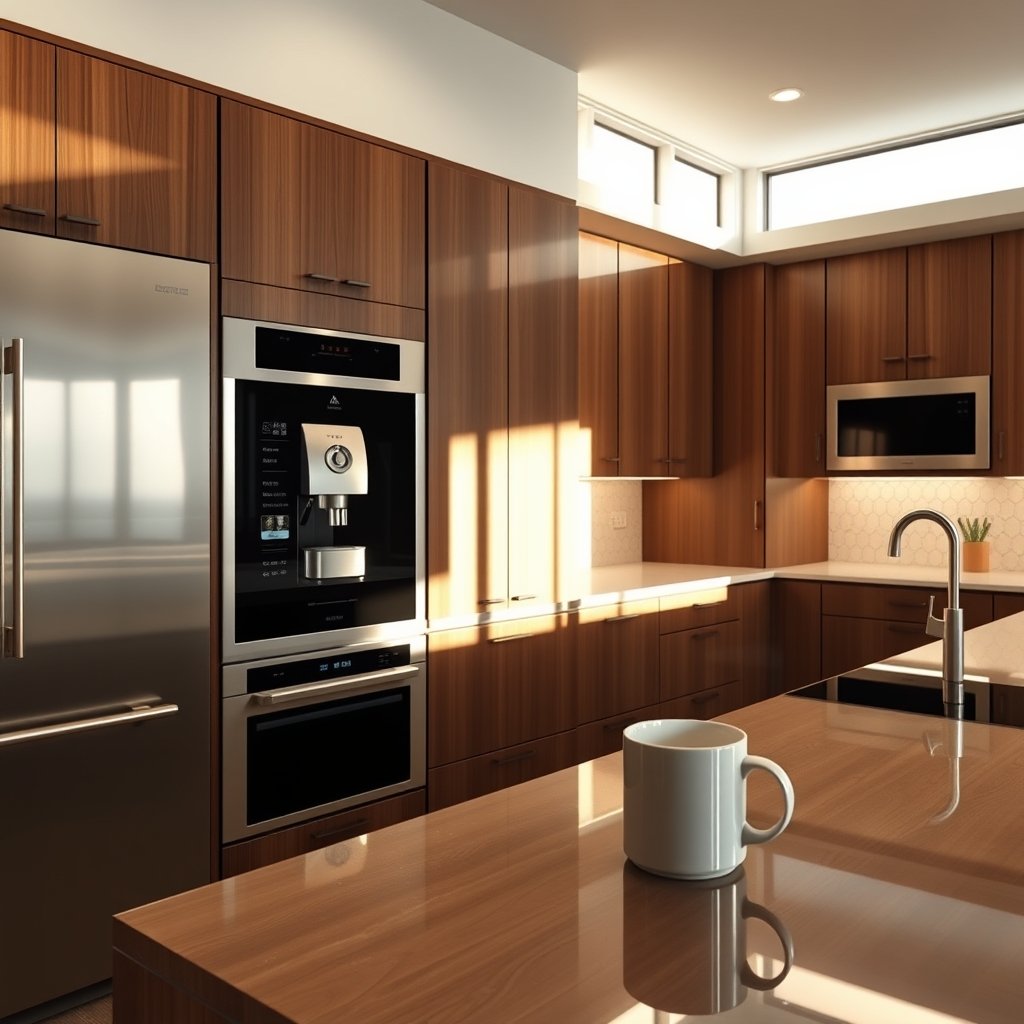
The surge in demand is not just a passing trend. According to market data, the built-in coffee machine segment reached around $7.5 billion in 2025, and is on track to nearly double by 2035 (Future Market Insights). This momentum is fueled by rising home coffee consumption, remote work, and the desire for a barista-quality experience at home.
The adoption of smart features—like app controls and personalized presets—furthers the appeal. Compact size and integration with other appliances, especially in space-constrained kitchens, mean built-in systems are taking a lead role in next-generation kitchen design. For a practical overview of small appliance integration, see our guide to modern kitchen layout designs.
Homeowners are attracted to built-in systems for:
- Uncluttered countertops and sleek aesthetics
- Consistent brewing quality and programmability
- Customization—think single shot, latte, cappuccino at the tap of a button
- Boosted property value, thanks to premium features in modern homes
However, integrating such a system requires forethought, careful planning, and a realistic look at technical, financial, and practical factors—outlined step-by-step below.
How to Plan, Choose, and Install a Built-In Coffee System
Treat installing a built-in coffee system like any major home upgrade: start with research, clarify your priorities, and partner with knowledgeable trades or appliance experts when needed. Here’s a straightforward breakdown for anyone considering this investment at home.
1. Define Your Coffee Profile & Daily Usage
Count the daily cups and types of drinks preferred in your household. Families with varying tastes (espresso, latte, standard coffee) may require multi-functionality—grinder adjustment, milk frothing, water temp control. For multi-user programmability, look at models supporting multiple profiles and memory settings.
2. Set Realistic Budget Expectations
Start by researching built-in system pricing from established brands like Miele, Bosch, Wolf, and Thermador. While exact installation and ownership costs vary, expect to pay significantly more than for a high-end countertop machine—typically ranging from $2,500 to $7,500+ before labor or cabinetry modifications. Don’t forget electrical work, plumbing, cabinetry customization, and extended warranty costs.
If comparing to countertop espresso solutions, visit our review on espresso machine features and costs.
3. Prioritize Technical Features
Even though feature comparisons are not often detailed in mainstream guides, based on recent innovations in the marketplace (Smart Coffee Maker Market Overview), look for:
- High-quality built-in grinders (preferably ceramic or steel conical burrs)
- Advanced water filtration (improves taste, lessens scale buildup)
- Automated milk frothing systems with adjustable texture/temperature
- Smart connectivity for app control, maintenance reminders, user profiles
- Removable brewing head and easy-clean design
Read more about choosing kitchen technology in our expert writeup on appliance integration tips.
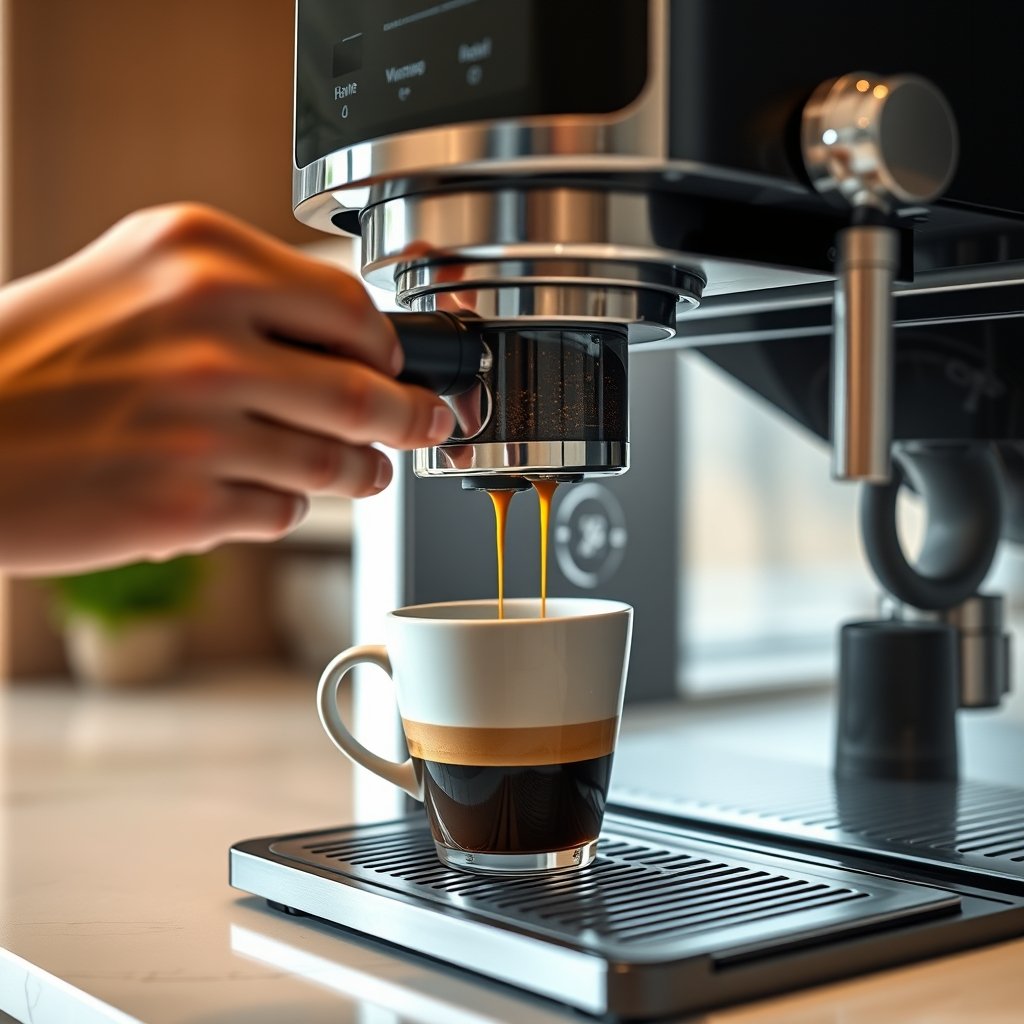
4. Select a Trusted Brand
Stick to reputable brands recognized for reliability and support, such as Jenn Air, Miele, Bosch, Wolf, Gaggenau, and De’Longhi. Compare available warranty terms and ensure you have access to authorized service in your area.
5. Plan for Installation & Layout
Coordinate with a qualified installer—either an appliance technician or a kitchen cabinet pro—who understands the ventilation, electricity, and water requirements. Discuss up front any potential hidden expenses like cabinetry reinforcement, drilling for water lines, or power upgrades. Our kitchen renovation checklist can guide you through this planning stage.
6. Understand Maintenance Regimens
Most built-in systems require periodic descaling, milk system rinsing, and drip tray emptying. Set calendar reminders for deep cleaning, or select models with self-cleaning cycles and clear maintenance prompts—see maintenance strategies in appliance care tips.
7. Experience the System Before Buying
Test try or demo the control panel, noise level, and milk system (in a showroom, if possible) to ensure user-friendliness. What seems intuitive on paper may become tedious in daily use. Explore customer feedback on our page for appliance reviews by homeowners.
8. Plan for the Unexpected
Add 10–15% to your installation budget for unplanned modifications or code requirements, particularly if buying an older home or customizing cabinetry.
Advanced Analysis & Common Pitfalls of Built-In Coffee Systems
No technology is perfect, and built-in coffee systems have their share of overlooked drawbacks. Drawing from available market data and consumer experiences, here are the main challenges and realistic pitfalls:
1. Upfront and Hidden Costs
Despite the premium look and integrated performance, built-in coffee systems demand a higher overall investment—not only for the appliance itself, but for special installation, possible electrical or plumbing adjustments, and cabinetry modifications. It’s easy to underestimate labor or the price of compatible filters, descaling supplies, or inevitable out-of-warranty repairs.
2. Maintenance Complexity
Cleaning routines can be involved; built-in models generally require more commitment to regular maintenance than basic countertop units. milk frothing systems and small internal parts must be cleaned meticulously or they’ll quickly impact performance and flavor. Skipping this increases breakdown risks.
3. Reliability & Service
Unlike stand-alone countertop models, built-in systems may need a service call—and possible removal from cabinetry—when major faults occur. While leading brands offer robust engineering, even minor malfunctions can disrupt daily routines.
4. User-Friendliness Issues
Some interfaces are less intuitive than others. Complex menus, awkwardly located water tanks, or small displays can detract from daily use—especially for multiple family members or guests unfamiliar with the unit.
5. Longevity, Warranty, & Brand Variance
Data on exact longevity differences by brand is thin, but choosing reputable brands with strong support networks can minimize long-term hassle. Look closely at warranty length (standard seems to be one or two years, often with optional extensions), what’s covered, and access to local authorized repair.
| Feature | Built-In Coffee System | High-End Countertop Espresso Machine |
|---|---|---|
| Initial Cost | $2,500–$7,500+ (plus installation) | $1,000–$3,500 |
| Installation Complexity | Professional installation required | Plug-and-play |
| Maintenance | More complex (cabinet access needed) | Easier (portable, removable parts) |
| Smart Features | Widespread (app controls, user profiles) | Limited (few with app integration) |
| Design Impact | Seamless, premium look | Takes up counter space |
| Longevity & Repair | Potentially more downtime (cabinet removal for service) | User can often replace or troubleshoot |
Unsure if a built-in system is right for you? Review our appliance upgrade guide for more perspectives.

Conclusion
As built-in coffee systems move into the mainstream, they bring a seamless, café-style coffee experience into the heart of the modern home. Buyers must weigh initial and ongoing costs, the realities of installation and maintenance, and ensure the system matches their daily habits. With a strategic approach and careful brand and feature selection, a built-in coffee system can become a valued investment—and the centerpiece of your home’s morning routine.
Ready to optimize your kitchen and enjoy exceptional coffee at home? Explore our detailed appliance integration resources or connect with our experts to plan your next kitchen upgrade today.
Frequently Asked Questions
How much does it cost to install a built-in coffee system?
Depending on the brand, model, and complexity of your installation, expect appliance costs from $2,500 to $7,500 or more. Installation (including potential cabinetry modifications, plumbing, and electrical work) can add $500–$2,000 to your budget. Always get a detailed quote before you commit.
What are the biggest mistakes to avoid with integrated espresso machines?
Ignoring the need for a water supply/drain, choosing a model without accessible maintenance features, or underestimating cleaning requirements rank among the most common pitfalls. Test usability and plan for future service access during installation.
Do built-in coffee systems need special plumbing?
Some models can be plumbed directly for water supply and drainage, which greatly improves convenience but requires additional installation planning. Other models use refillable tanks. Consult the manufacturer’s specs before purchase.
How does maintenance compare to countertop espresso machines?
Built-in systems often need more frequent cleaning cycles, especially if using milk frothing features. Parts may be less accessible, so factor in time for routine care. Some brands offer automated cleaning, but manual intervention is still required.
Which brands are most reliable for built-in coffee systems?
Industry leaders such as Miele, Wolf, Bosch, Gaggenau, and Jenn Air have established strong reputations for quality, support, and service networks. Always evaluate user reviews and check for local repair availability before deciding.
—