
Home EV charger installation is the fastest way to charge your electric vehicle at home, but the process has important costs, technical requirements, and potential pain points that most installers forget to mention. If you want a seamless installation and to avoid costly surprises, this guide will give you the exact steps, realistic costs, and the hard truths no one else covers.
Key Takeaways
- Total costs for home EV charger installation generally range from $700 to $2,500+, depending on equipment, location, and electrical upgrades.
- Panel upgrades and hidden electrical requirements are the most common sources of unexpected costs and headaches.
- Permitting, installation timelines, and choosing the right charger brand all impact your satisfaction and charging experience.
- What is Home EV Charger Installation?
- Step-by-Step Guide: Installing Your Home EV Charger
- Advanced Analysis & Common Pitfalls
- Conclusion
- Frequently Asked Questions
What is Home EV Charger Installation?
Home EV charger installation refers to adding a dedicated charging station—usually a Level 2 charger—in your garage or driveway for overnight charging. Unlike trickle-charging with a standard wall outlet, a Level 2 charger delivers dramatically faster charging, but requires professional installation due to significant power demands and safety codes.
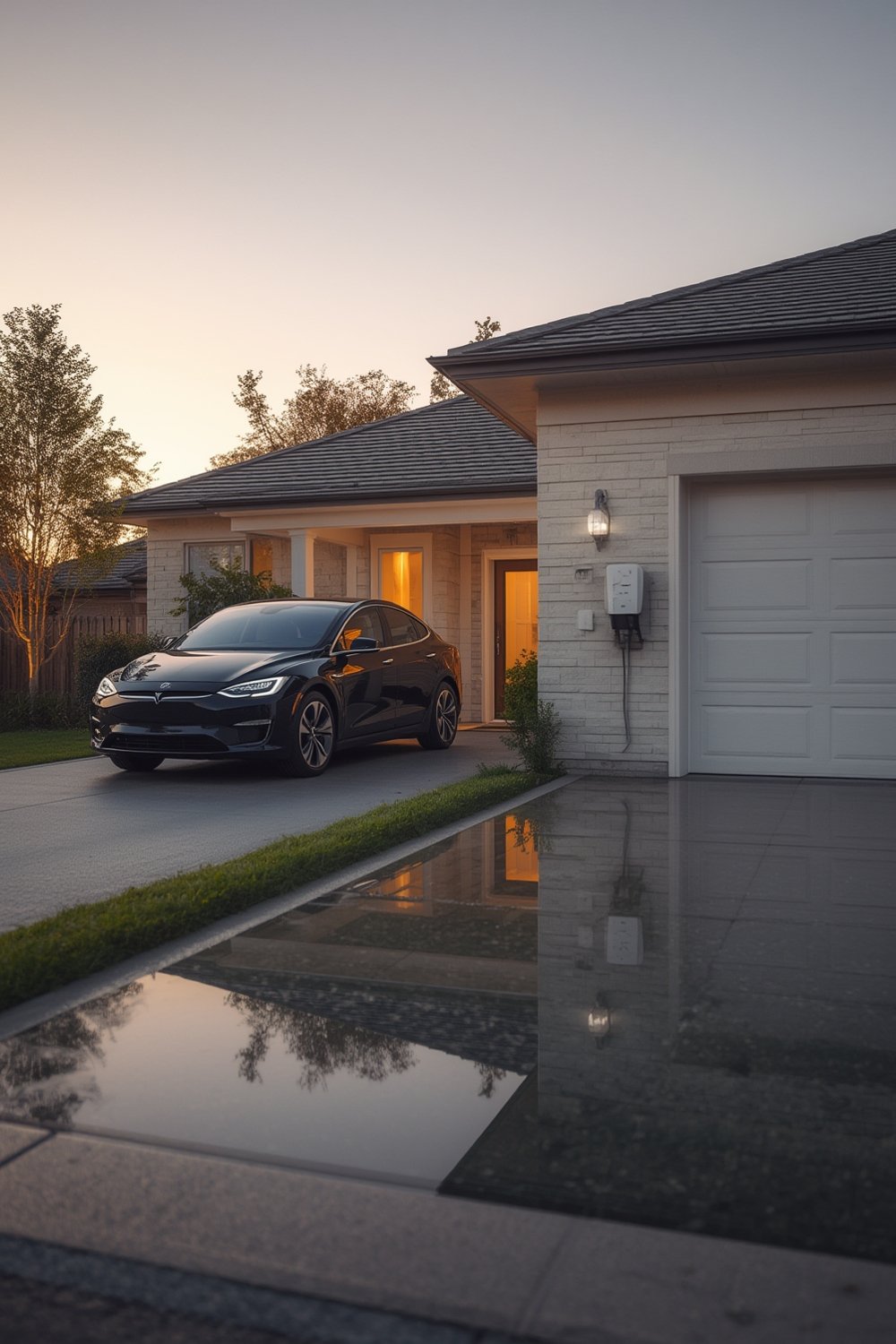
Installing a home EV charger means assessing your existing electrical system, getting a permit, hiring a licensed electrician, and possibly upgrading your main electrical panel. Most homeowners find the convenience and speed well worth the upfront hassle—even with costs averaging $1,700 but ranging from $700 for simple jobs to more than $2,500 when upgrades are needed (source).
If you’re just learning, see our guide to Level 2 vs Level 1 chargers for why Level 2 is usually the best choice for residential use.
Step-by-Step Guide: Installing Your Home EV Charger
Here’s an actionable, step-by-step process to get your home EV charger installed—without costly missteps.
- Assess Your Power Needs
Determine if your home has the capacity for a Level 2 charger—usually requiring a 240-volt circuit rated at 40–50 amps. An older 100-amp main panel often won’t cut it if you have other big appliances. Find your panel’s amp rating or hire an electrician to inspect it.
Read more on household electrical requirements for EV chargers.
- Choose Your Charger Model
Pick a Level 2 charger with adequate output (typically 32-50 amps). Make sure the plug type (J1772 or Tesla) fits your car. Smart features add convenience but also cost. Leading brands in 2025 include ChargePoint, Wallbox, and Grizzl-E, but reliability data varies.
Consider if you want Wi-Fi controls or integrated energy monitoring.
- Get Quotes from Licensed Electricians
Contact at least two installers for quotes—preferably ones with experience in EV charger projects. Ask if the quote includes the charger, permits, all labor, and electrical panel upgrades if needed. Prices typically range from $700 to $2,500+ (source).
Be sure to clarify “hidden” costs like new conduits, trenching, or panel upgrades. Some companies will bundle everything, others will not.
- Submit Permit Application
Most cities require a permit for Level 2 EV charger installation. The process and price (usually $50-$300) vary; your electrician may handle this or require you to apply. Permits ensure code compliance and may be needed to trigger certain rebates.
Explore our permit guide for EV charger installations for step-by-step instructions.
- Schedule Installation & Panel Upgrade (if Needed)
If your panel is undersized or more than 25 years old, a full upgrade might be required ($1,500–$4,000+). Some homes get by with a subpanel addition ($500–$1,500). If major trenching or long conduit runs (75 feet+) are needed to reach your preferred charging location, expect the price to climb quickly. Electrician labor rates often run $75–$150/hour (source).
- Inspection & Final Commissioning
Once installed, the setup must be inspected by your municipality’s code official. Don’t skip this step—improper installs may void your insurance or create fire hazards. Only use certified electricians and follow code to the letter. After approval, you can safely begin charging your EV at full speed.
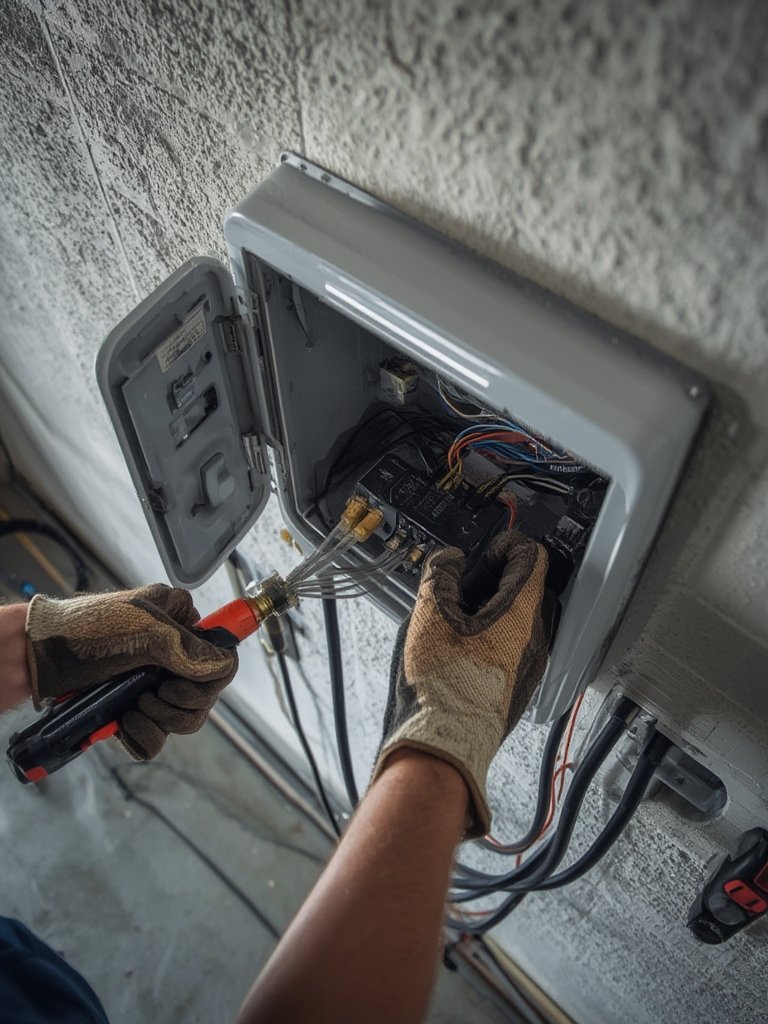
For more coverage on safe DIY vs professional installation, review our guide here.
Advanced Analysis & Common Pitfalls
Despite what marketing claims, installing a home EV charger is rarely “plug and play.” Here’s what can go wrong—and how to avoid real frustration:
Hidden Costs: Electrical Panel & Permits
Older homes or high-usage households often require a panel upgrade (sometimes not discovered until installation day). This can add thousands of dollars to your budget. Permitting costs, though smaller, often catch homeowners by surprise if not included up front.
| Cost Component | Typical Range (USD) | Notes |
|---|---|---|
| Charger Unit | $300 – $800 | Smart features and cable length add to cost |
| Installation Labor | $400 – $1,800 | Varies by complexity and wiring distance |
| Permits & Inspections | $50 – $300 | Mandatory in almost all jurisdictions |
| Main Panel Upgrade | $1,500 – $4,000+ | Needed if existing service is inadequate |
| Subpanel / Minor Upgrade | $500 – $1,500 | Alternative to full panel replacement |
| Complex Conduit/Trenching | $1,400 – $2,000+ | Required for long/underground runs |
Source: elinkpower.com, Qmerit, SolarTech
Satisfaction, Reliability, and Installation Timelines
Most major brands offer three-year warranties, but reliability data and real customer experiences are very hard to find outside product reviews. Installation can typically be scheduled in two to five days, but if your panel needs work, expect delays of one to three weeks for utility coordination and inspector scheduling.
Pain Points Homeowners Report (Rarely Disclosed)
- Major panel upgrades discovered late in the process
- Project delays awaiting permits or city inspectors
- Difficulty obtaining rebates unless the installer is pre-approved
- Limited charging speed if utility supply is insufficient
For common electrical pitfalls and wiring challenges, see our in-depth wiring guide.
Rebates, Tax Credits, and Incentives (2024–2025)
Many states and cities offer rebates that can offset installation costs. Federal incentives up to $1,000 are also available for some homeowners. To find incentives in your region, check your state energy office and your utility’s EV programs. For a current, curated list of rebates and eligibility requirements, visit our rebate locator.
Conclusion
Home EV charger installation makes daily driving with your EV effortless, but knowing the realistic costs, technical steps, and hidden challenges is the only way to avoid expensive or frustrating surprises. Always consult a licensed electrician, clarify all costs up front, and check for local incentives before you install. Ready to upgrade? Don’t wait—home EV charging is a smart investment, and with proper planning, you can avoid common mistakes.
Want a personalized project planner and estimate for your home EV charger installation? Connect with our vetted local installers today or browse our EV Charger Buying Guide to get started.
Frequently Asked Questions
How much does home EV charger installation actually cost in 2024?
Total costs—including charger, labor, and permits—typically range from $700 to $2,500. Panel upgrades, if needed, add $1,500 on average.
Will I need to upgrade my main electrical panel?
Many older homes with 100-amp service will require a panel upgrade for a Level 2 charger, which can cost $1,500 to $4,000+ depending on your location and the required amperage.
Do I need a permit for a home EV charger installation?
Yes—nearly all local codes require a permit and inspection for a Level 2 charger to ensure electrical safety and insurance compliance.
Are there rebates or tax credits available for home charger installs?
Many states, cities, and utilities offer rebates from $200 to $1,000. Federal tax credits may also apply. Always check local programs before starting your project.
How long does a typical home EV charger installation take?
Straightforward installs take one day, but panel upgrades or permit delays may extend this to several weeks.